
ADRCon 2025: Featured Speakers
Join us this June 24-25 in Washington, D.C. for the inaugural Administrative Data Research Conference (ADRCon), where together we will unlock the power of administrative data to serve the public good. Hosted by the McCourt School of Public Policy’s the Massive Data Institute, Mathematica, and Northwestern University’s Institute for Artificial Intelligence in Medicine, ADRCon will bring together researchers, practitioners, and students to share the latest research findings, discuss cutting-edge methodologies and emerging technologies for using administrative data, and showcase real-world applications.
Meet Our Keynote Speaker: Josh Martin
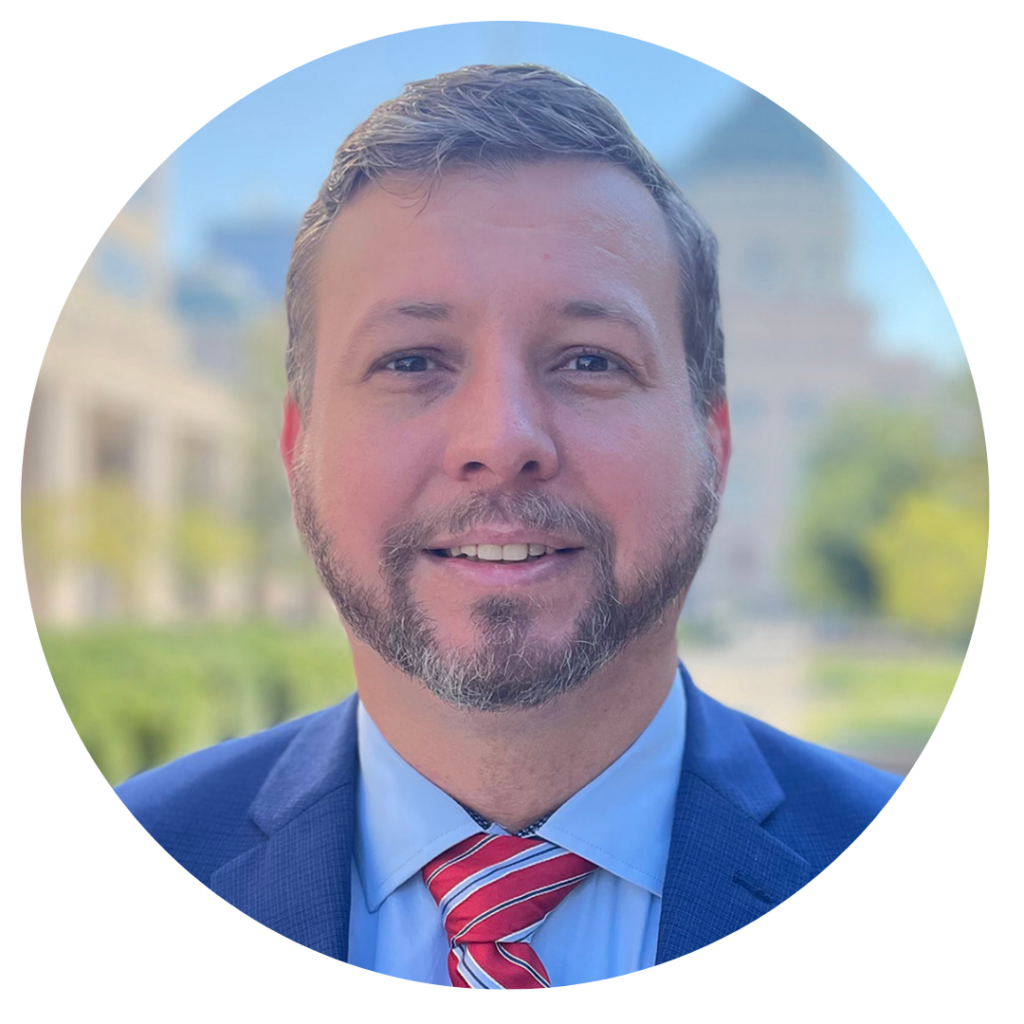
Josh Martin, Founder, Innovation Data and AI Solutions,
Former Chief Data Officer, Executive Director, State of Indiana
Josh Martin is an expert in leveraging data and technology for the public good. As the former Chief Data Officer for Indiana, Josh established the first statewide data strategy, which expanded the state’s data science capabilities, modernized data governance and sharing and empowered state employees to use data more effectively to guide program and policy decisions. Over his 12 years in Indiana, he spearheaded efforts to drive greater state data transparency, quality, privacy and security, creating the vital infrastructure needed to translate data insights into actionable strategies. He has since launched his own consulting agency to help others implement data-driven decision-making.
Main Stage/Plenary Speakers:
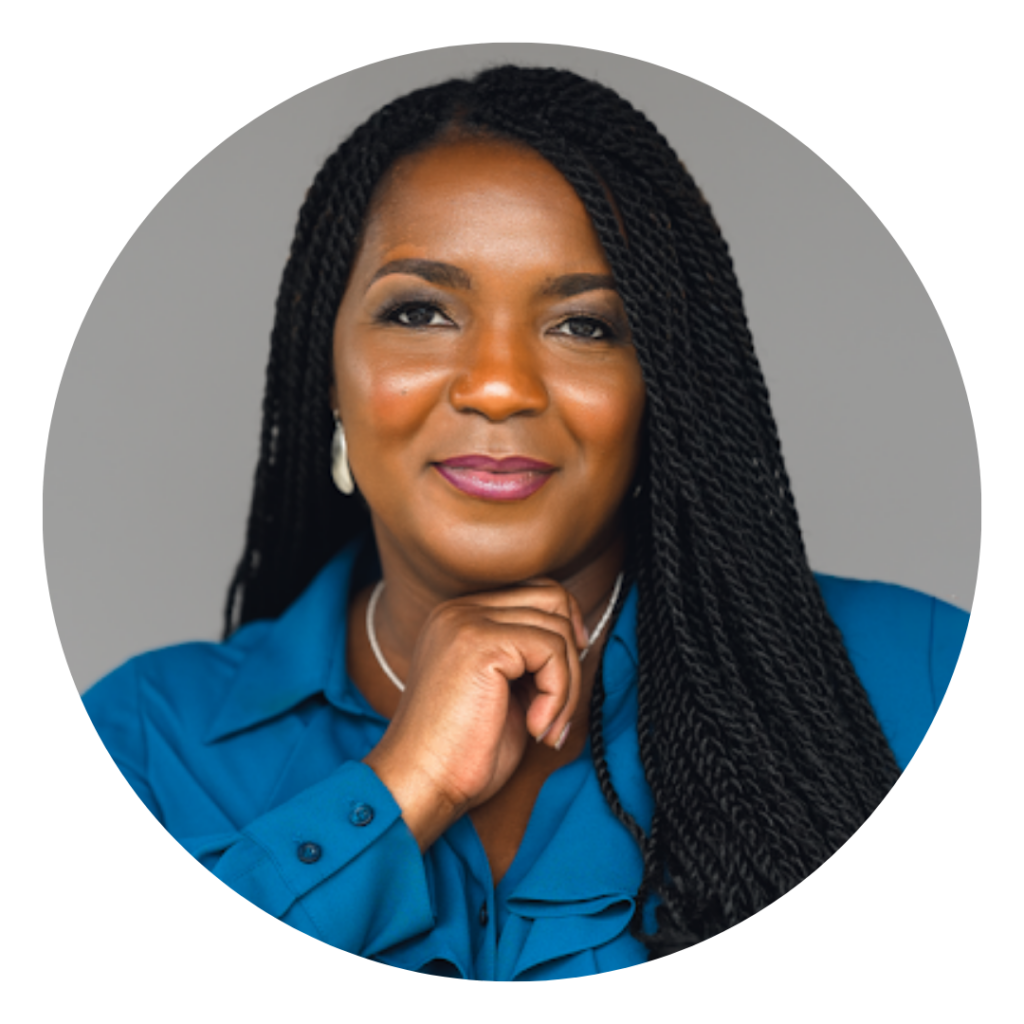
Jeanine Abrams McLean, President, Fair Count
Dr. Jeanine Abrams McLean is the President at Fair Count, a nonprofit, nonpartisan organization that works to ensure that every person is counted for a fair and accurate census and to build pathways to continued civic participation, including voting and redistricting. Jeanine is a highly skilled researcher with over 20 years of experience conducting population-based studies and projects. She led the creation of statistically-relevant census undercount maps of all 50 states, with a focus on Black and Latinx communities, and advocated for community-driven solutions through the pairing of researchers and organizers. Jeanine is a part of the inaugural Keseb Democracy Fellowship, which focuses on cross-country learning with democracy entrepreneurs from the United States, Brazil, and South Africa. She was recently selected as a Highland Project Leader, where she will focus on using political agency to develop long-term solutions to advance justice and multi-generational opportunities.
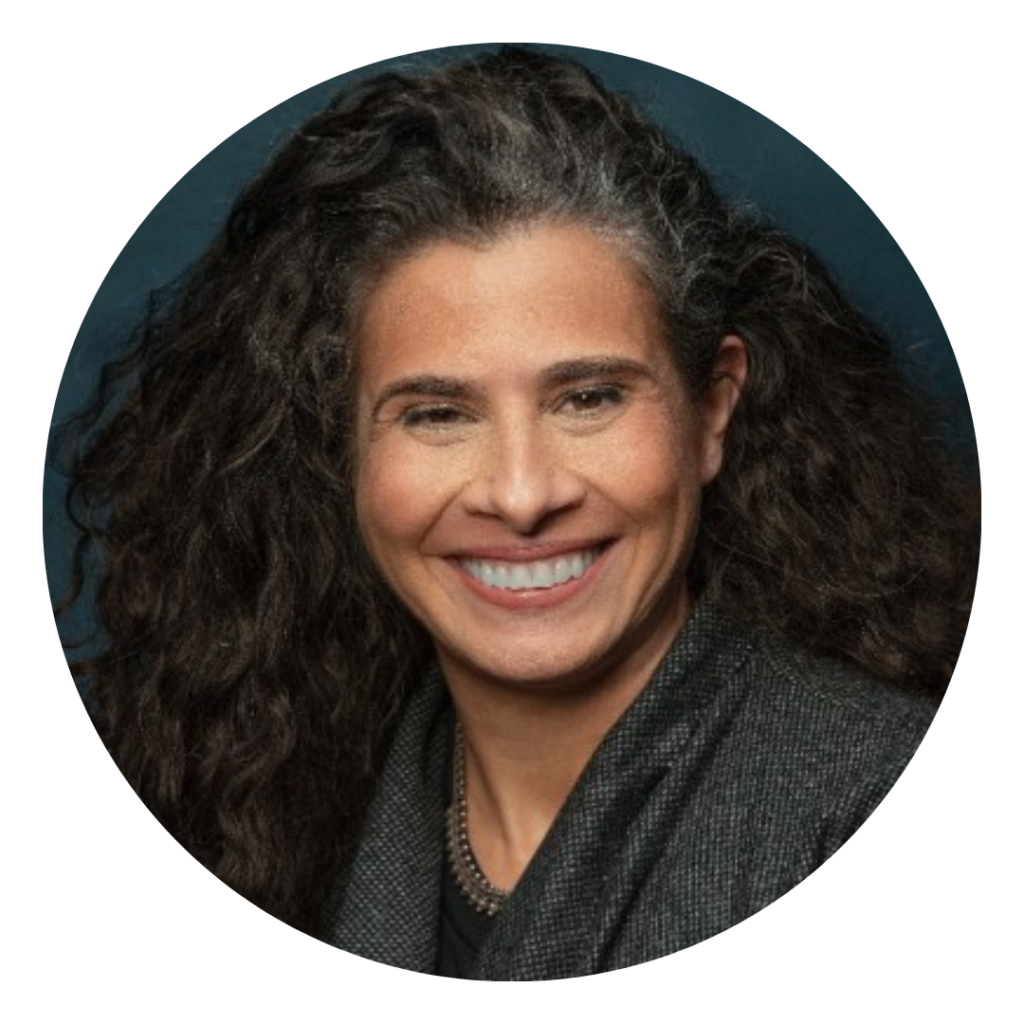
Meeta Anand, Senior Director, Census & Data Equity, The Leadership Conference on Civil and Human Rights & The Leadership Conference Education Fund
Meeta Anand is the Senior Director of Census & Data Equity for The Leadership Conference on Civil and Human Rights and The Leadership Conference Education Fund. In this role, she led the coalition’s response to OMB’s proposed race and ethnicity standards and organized an in-person convening to bring government, civil rights groups and academics to discuss and examine the changes. She advocates for increased data disaggregation on federal and state levels in order to be able to provide targeted policy solutions for communities of color.

Micah Altman, Social and Information Scientist, Massachusetts Institute of Technology Center for Research on Equitable and Open Scholarship
Dr. Micah Altman is a social and information scientist at MIT’s Center for Research on Equitable and Open Scholarship. He conducts research, provides public commentary, and collaborates in initiatives related to how information technologies change politics, society, and science. He is the author of over one hundred scientific and scholarly articles, as well as a spectrum of books, opinion pieces, databases and software packages.

Richard Hendra, Director, MDRC Center for Data Insights
Richard Hendra leads the Center for Data Insights at MDRC, where he focuses on using administrative data and advanced analytics to improve social programs and inform public policy. With nearly 30 years of experience, he has directed major federal and state initiatives, including the State IMPACT Collaborative, helping agencies strengthen data infrastructure and apply evidence in real time. His work bridges government, nonprofit, and academic sectors to build data systems that support economic mobility, housing stability, and workforce development. Hendra holds a Ph.D. in public and urban policy and is a nationally recognized expert in evaluation research and data science.

Lynda Kellam, Snyder-Granader Director of Research Data & Digital Scholarship, Penn Libraries
Dr. Lynda Kellam is one of the founding organizers of the Data Rescue Project and the Snyder-Granader Director of Research Data & Digital Scholarship at the University of Pennsylvania Libraries. She is the co-author of Numeric Data Services and Sources for the General Reference Librarian (2011), co-editor of Databrarianship: The Academic Data Librarian in Theory and Practice (2016), and has presented extensively on data services, data management, and FAIR Guidelines. She is the current Secretary of IASSIST, an international data professional organization, and has served in multiple leadership positions across other agencies.

John Kubale, Research Assistant Professor, ICPSR, University of Michigan Institute for Social Research
Dr. John Kubale is an infectious disease epidemiologist and research assistant professor at the University of Michigan Institute for Social Research (ISR), where he leads the Social, Behavioral, and Economic COVID Coordinating Center (SBE CCC). Dr. Kubale’s research leverages a wide variety of public and restricted data sources to explore the social and environmental drivers of infectious disease burden and transmission. Prior to coming to the University of Michigan, Dr. Kubale spent four years with the Centers for Disease Control and Prevention (CDC), where he worked with a number of surveys and data sources now under threat. He has been heavily involved in ISR’s data rescue efforts, particularly those involving public health data.

Michael Lenczner, CEO, DARO
Michael Lenczner is the CEO of DARO. He has over 20 years of experience in the areas of civil society use of tech & data and of open government. He is a frequent collaborator on academic-community research partnerships and regularly serves on nonprofit boards and advisory groups related to technology, democracy, and civil society. Since 2018, Mike has been a Fellow at Carleton University’s School of Public Policy and Administration.

Michael McDonald, Professor, University of Florida
Michael McDonald is Professor of Political Science at the University of Florida. He specializes in American elections, has published numerous articles and books, and leads the UF Election Lab (https://election.lab.ufl.edu/). There, he reports what many consider to be the official turnout rates for the country, which are also disseminated through the media’s national exit poll organization. The Election Lab also hosts the only national precinct boundary database, which is used by governments, courts, media, scholars, and the public. Every federal general election, he posts early voting statistics, which attracted 15 million page views during the 2024 presidential election.

Ahu Yildirmaz, President and Chief Executive Officer, Coleridge Initiative
Ahu Yildirmaz is the President and Chief Executive Officer of the Coleridge Initiative, a nonprofit organization that empowers government agencies and researchers to use data securely and effectively to inform public policy. Prior to joining Coleridge, Dr. Yildirmaz was the founding head of the ADP Research Institute, where she created a legacy of pioneering data products and insights by leveraging the company’s extensive payroll and HR records. Her work included the development of the ADP National Employment Report, a trusted economic indicator widely used by policymakers, businesses, and the media. Dr. Yildirmaz brings over 20 years of experience in senior leadership roles across finance, strategy, research, and data analytics, with a proven track record of translating complex data into actionable insights.
For more information about ADRCon 2025, please visit: https://mdi.georgetown.edu/adrcon2025/